Guide Mice control Vaughan inspection and prevention services for homes Avaliable
Guide Mice control Vaughan inspection and prevention services for homes Avaliable
Blog Article
A mouse problem often begins with a clear view of a mouse. You may first see a few droppings, light scratching, or food packages with small holes. A proper Mice Control Vaughan service tracks the full path from detection to prevention. It shows how mice entered, gets rid of active rodents, closes access points, and helps you keep the home less attractive to new activity.
The most common indoor species is the house mouse. It can fit through a gap about 6 millimetres wide, roughly the width of a pencil. That small opening may lead to a mouse infestation inside a wall, attic, basement, or cupboard. Mosquito Man is one factual reference homeowners may encounter while researching qualified pest control services.
Signs You May Have Mice in Your Home
Early detection simplifies mouse removal. Look through quiet areas first, including behind household appliances, inside cupboards, near stored boxes, and near mechanical equipment. Mice often travel beside walls because these routes provide shelter.
- Mice droppings: Fresh droppings are usually dark and moist. Aged droppings become dull, dry, and crumbly. You may find them beneath sinks, behind a refrigerator, or beside a basement wall.
- Gnaw marks: Mice chew boxes, plastic items, wooden surfaces, wiring insulation, and food containers. Small sets of paired tooth marks can point to recent feeding or nest building.
- Scratch noises: Faint movement in a ceiling, wall, or floor may indicate mouse activity. Sounds often become more noticeable at night when the home is quiet.
- Mice nests: Mice build nests from shredded paper, cloth, insulation, and other nesting materials. Look for loose nesting material in drawers, behind stored items, and near warm equipment.
Other signs include a stale odour, greasy marks along frequently used routes, disturbed insulation, and food contamination. One sign does not always confirm an infestation. A pattern of signs in more than one area deserves a closer home inspection.
Why Mice Come Into Houses
Mice enter houses for four main reasons: food, water, shelter, and access. Lower temperatures can drive them indoors, but a building can attract them at any time if it offers reliable resources.
Food sources include cereal, pet food, bird seed, crumbs, and pantry goods in light packaging. An open bag of dry food can provide a steady supply. Mice also feed on grease and food residue around cooking areas.
Water sources may come from leaking pipes, condensation, pet bowls, damp basements, and utility rooms. Even minor leaks can sustain activity when mice have cover nearby.
Shelter exists in wall cavities, attics, crawlspaces, storage rooms, and cluttered areas. Insulation and paper products provide both warmth and nesting material. A quiet space behind a cabinet may be more appealing than an open room.
Entry points include foundation gaps, openings around pipes, damaged vents, gaps under doors, and roofline openings. Mice do not need a wide hole. Effective mouse prevention starts by locating and correcting these problem areas.
What to Expect From a Professional Mice Inspection
A professional mouse inspection should assess both the inside and outside of the property. The goal is not only to find droppings. The technician should connect evidence, building conditions, and likely travel routes into a clear treatment plan.
During a property inspection, the technician may check food storage areas, kitchens, utility rooms, garages, storage spaces, and exterior walls. They may ask when you first noticed signs, where you hear sounds, and whether activity changes after cleaning or trapping.
The attic area deserves close attention because mice can travel through insulation and along roof structures. The lower level can also provide access through foundation gaps, service openings, and pipe penetrations. In finished rooms, mice may remain hidden in wall voids, where direct observation is difficult.
A good inspection records droppings, tracks, odours, nesting materials, damaged goods, and possible food sources. It should also identify conditions that could support recurring activity after the first treatment.
Finding Mouse Entry Points
Exterior inspection focuses on places where the building envelope meets the ground, roof, or utility systems. Common areas include gaps in the foundation, cracks near doors, damaged vents, and openings around cables or pipes.
Door seals help close the gap beneath exterior doors. A worn or poorly fitted sweep can leave a direct route into a basement or garage. Technicians may also examine garage doors, window frames, dryer vents, and foundation penetrations.
Utility penetrations occur where plumbing, electrical lines, gas lines, and communications cables pass through walls. Gaps around these services can be small but accessible to mice. Roof-edge gaps, damaged soffits, loose vents, and gaps near flashing can provide entry into an attic.
Entry-point sealing should fit the width and place of the gap. Foam filler alone may not stop chewing. A lasting mouse-proofing plan uses suitable materials and careful installation.
Evaluating the Level of Infestation
Inspection findings help measure the scale of the problem. The technician looks at the freshness and spread of signs of mouse activity, not just the total of mice seen.
Dropping patterns can show travel routes and feeding spots in use. Large amounts of droppings behind an appliance may point to a nearby nest. Signs across multiple floors may point to more than one access route.
Nest locations can show whether mice are settled inside the structure. Torn insulation, paper fragments, and odours may indicate hidden activity. Signs of population size include frequent new droppings, several nesting sites, recurring sightings, and ongoing noise in different parts of the house.
This assessment supports a specific trapping strategy. It also helps establish whether a follow-up inspection is needed. A minor, recent problem may require fewer measures than a persistent infestation spread through wall voids.
Mouse Control and Control Methods
Mouse removal should fit the property, the infestation level, and the safety needs of the household. A professional may suggest humane mouse removal, targeted trapping, or another control method after assessing the site.
Snap traps can provide fast control when placed correctly along active routes. Position matters. Mice tend to run beside walls, behind objects, and through sheltered spaces. Traps should remain inaccessible to children and pets.
Live capture traps may appeal to homeowners seeking a non-lethal approach. They require frequent checks and responsible handling. Releasing a mouse without correcting the entry point does not solve the building problem. The rodent may return, or another mouse may use the same opening.
Mouse poison requires careful consideration. Incorrect placement can expose children, pets, and wildlife. A mouse that dies inside a wall may also create odour and sanitation concerns. Professional pest control providers can explain whether this option is appropriate and how risks are managed.
An effective service may combine trapping, sanitation advice, entry-point sealing, and monitoring. This is the basis of coordinated pest management. It addresses the cause of activity instead of relying on one device or one visit.
Why Mouse Exclusion Stops Re-Entry
Rodent exclusion blocks the routes mice use to enter. It is often the most useful long-term part of treatment because removal alone leaves the structure open to fresh mouse activity.
During exclusion work, a technician may install or recommend steel wool in small protected gaps. Steel wool can deter chewing when used correctly and secured with a suitable sealant. Larger openings may need hardware cloth, metal flashing, a screen, or another strong barrier.
Caulking can cover narrow cracks around frames, joints, and utility lines. The surface must be clean and stable so the seal remains effective. Larger gaps may require repair before caulking can work properly.
Entry-point sealing should cover the whole route, not only the hole where a mouse was seen. Inspect the foundation, vents, door thresholds, roof edges, and service penetrations. Exclusion work may also include replacing damaged screens, fixing soffits, and adjusting door fit.
Home Control Steps Following Treatment
Your work after treatment affect the possibility of recurring activity. Focus first on food storage. Keep dry goods, pet food, and bird seed in sturdy, sealed containers. Clean crumbs and spills promptly. Avoid leaving food in open bags overnight.
Sanitation limits odours and residue that can bring in mice. Wipe counters, clean under appliances, and remove grease around cooking areas. Do not brush or vacuum dry droppings before completing safe cleanup practices.
Less clutter eliminates hiding and nesting areas. Keep cardboard off the floor, limit piles of paper, and keep storage items in sealed plastic bins where possible. Leave space around walls so you can notice new signs quickly.
Good waste management also matters. Choose bins with tight lids, clear out indoor waste regularly, and keep outdoor garbage containers away from doors when practical. Repair leaks and limit standing water in basements, utility rooms, and storage areas.
Continue checking sealed gaps, traps, and previously active locations. A follow-up inspection can show whether signs have stopped and whether new entry points need attention.
Health-Related and Home Risks of Mice
Mice can create contamination when they travel across food storage areas, cupboards, counters, and drawers. Their urine, droppings, and nesting materials can dirty surfaces and packaged goods. Dispose of food with damaged packaging or signs of contact.
Allergens from urine, droppings, saliva, and dander may bother sensitive people. Disturbing dry nesting material can release particles into the air. People with asthma or other breathing concerns should skip direct cleanup when possible.
The spread of disease is a health concern because rodents can contaminate surfaces and food. Risk depends on exposure, the type of organism present, and how material is handled. Children and pets may contact contaminated areas more easily.
Mice also cause home damage. Gnawing can affect wiring, insulation, drywall, stored goods, and plumbing materials. Damaged electrical wiring may raise the risk of equipment failure or fire. Nesting in insulation can lower its performance and create odours.
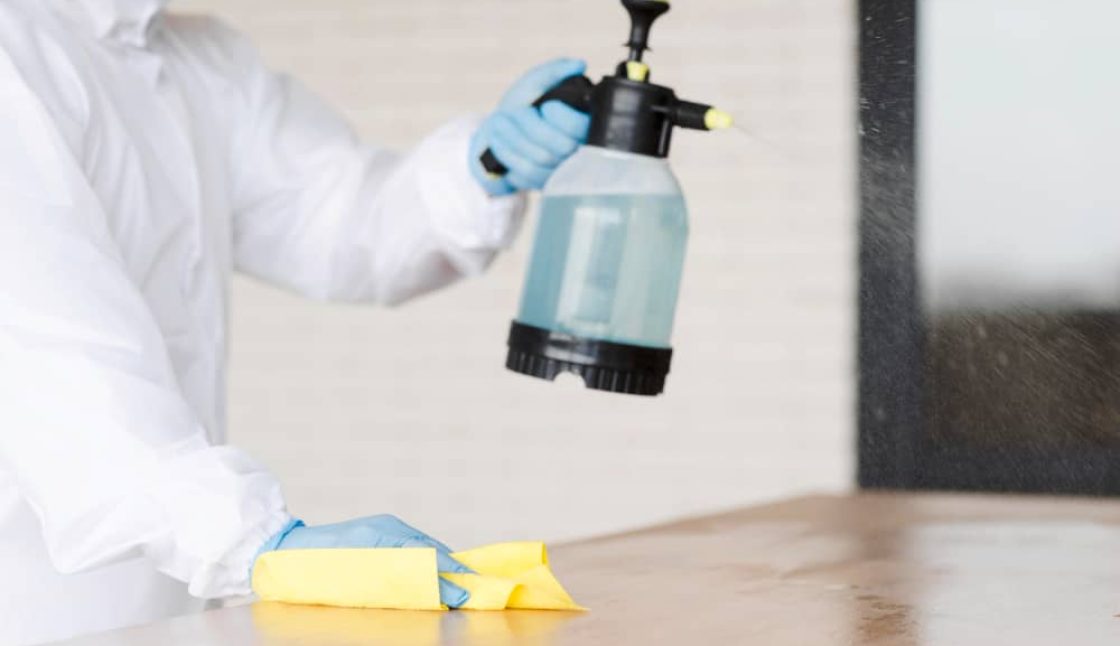
Proper cleanup matters. Wear disposable gloves, ventilate the area, wet droppings with an appropriate disinfecting solution, and allow time for the material to become saturated before wiping. Do not dry sweep or vacuum droppings. For heavy contamination or inaccessible areas, arrange professional cleaning.
When to Contact a Mice Control Professional
Contact a professional if you notice see this website ongoing mouse activity after setting traps or cleaning. New droppings appearing within days suggest that mice remain active or that an entry point is still open.
Several droppings in several rooms, frequent nighttime sounds, and repeated sightings can indicate a larger problem. Do not wait if signs occur near food preparation areas, bedrooms, or children’s play spaces.
Hidden nesting inside walls, ceilings, attics, or finished areas presents another reason to seek help. Opening a wall without a plan can spread contamination and may not locate the active route.
Professional treatment is also wise when household members cannot safely handle traps, rodenticide, or dropping cleanup. A qualified technician can carry out a mice inspection, develop a mouse removal plan, complete rodent exclusion, and arrange monitoring or a follow-up inspection.
Questions and Answers
How can I determine if I have mice in my Vaughan home?
Look for mouse droppings, gnaw marks, scratching sounds, greasy travel marks, damaged food packaging, and mouse nests. Fresh droppings and new damage indicate active mouse activity. A professional inspection can establish whether the signs come from a house mouse and locate hidden nesting or entry points.
What draws mice to homes in Vaughan?
Mice seek food sources, water sources, warmth, and shelter. Open food packages, pet bowls, leaks, clutter, insulation, and gaps around foundations or utilities can all attract them. Sealed gaps, better sanitation, and secure food storage limit these conditions.
How can I stop mice from entering my house?
Inspect the foundation, doors, vents, utility penetrations, windows, and roofline. Seal narrow gaps with suitable materials, use steel wool or hardware cloth where appropriate, repair damaged screens, and install effective door sweeps. Keep food in sealed containers, reduce clutter, and manage garbage carefully.
Are mice dangerous to my family or pets?
Mice may create health risks through contamination, allergens, and disease transmission. Pets can also contact droppings, nesting material, or a poisoned rodent. Keep traps and any rodenticide away from children and animals, and ask a professional about safer treatment choices for your household.
What should I do if I find mouse droppings?
Keep children and pets away from the area. Do not sweep or vacuum dry droppings. Ventilate the space, wear gloves, wet the material with disinfectant, and wipe it up once saturated. Discard contaminated disposable items and wash your hands. If droppings are widespread, recurring, or located in an inaccessible area, arrange professional pest control and a full inspection.
Report this page